
04 Jan
In healthcare settings, signs do far more than decorate walls. They guide anxious families to patient rooms, direct ambulance drivers to emergency bays and provide life‑saving instructions during evacuations. Hospitals operate around the clock, often at high capacity, so signs must be instantly clear and compliant with laws governing accessibility and safety. Effective signage reduces stress for patients and staff, supports efficient operations and reinforces trust in the institution. With dozens of major hospitals and healthcare networks, Chicago demands signage that can withstand heavy traffic, frequent cleaning and constant use.
Chicago is home to world‑renowned hospitals such as Northwestern Memorial Hospital, Rush University Medical Center, Lurie Children’s Hospital and the University of Chicago Medical Center. Many of these institutions span multiple buildings connected by skyways, tunnels and separate towers. Effective signage unifies these complexes, guiding visitors from parking decks to registration desks and ultimately to patient rooms. Clear, consistent graphics reassure patients that they are in professional hands and reflect each institution’s brand identity. In busy urban neighborhoods, exterior signs must stand out amid high‑rise buildings and heavy traffic to direct drivers quickly to emergency entrances and parking lots.
Why choosing the right signage company matters
Hospitals require a special mix of signage: exterior monument signs visible from busy streets, illuminated way finders that guide visitors through sprawling corridors, room identification plaques with tactile characters and Braille, bilingual warnings and digital displays that update waiting rooms in real time. Designing, fabricating and installing these diverse pieces while adhering to ADA (Americans with Disabilities Act) guidelines and local building codes requires expertise. A good hospital signage partner will:
- Understand healthcare workflow to place signs where they’re most needed.
- Provide durable materials like engineer‑grade aluminum and reflective surfaces for outdoor wayfinding.
- Integrate digital systems with hospital information technology for real‑time updates.
- Produce ADA‑compliant and bilingual signage with tactile characters and Braille.
- Offer comprehensive project managementfrom surveys and design to permitting, fabrication, installation and maintenance.
Characteristics of a great hospital signage company (local lens)
Top healthcare signage providers combine creativity, compliance and compassion. They work closely with hospital administrators, facilities managers and infection‑control teams to select materials that can be cleaned with hospital‑grade disinfectants and stand up to constant traffic. Because Chicago hospitals may operate across multiple buildings and campuses, signage partners must also coordinate with municipalities on outdoor permits and ensure that illuminated signs meet city brightness and energy codes. Look for firms that have installed signage for other health systems in the region and that offer 24/7 emergency repair and maintenance, since hospital signs cannot fail.
Benefits of effective hospital signage
Investing in high‑quality signage yields measurable benefits for hospitals. Clear wayfinding reduces the time staff spend giving directions, freeing them to focus on patient care. Well‑placed directional signs also lower the stress of navigating complex corridors, improving patient satisfaction and throughput. Exterior and interior branding reinforces the hospital’s reputation, aiding in marketing and donor relations. Digital signs can display promotions for classes, wellness programs and specialist services, turning waiting rooms into information hubs. Murals and artwork contribute to a calming ambiance and support healing. When signs are bilingual or multilingual, non‑English speakers feel more welcome and can access services more easily. Together, these benefits make signage an investment in both operational efficiency and community trust.
Top Hospital Signage Companies in Chicago
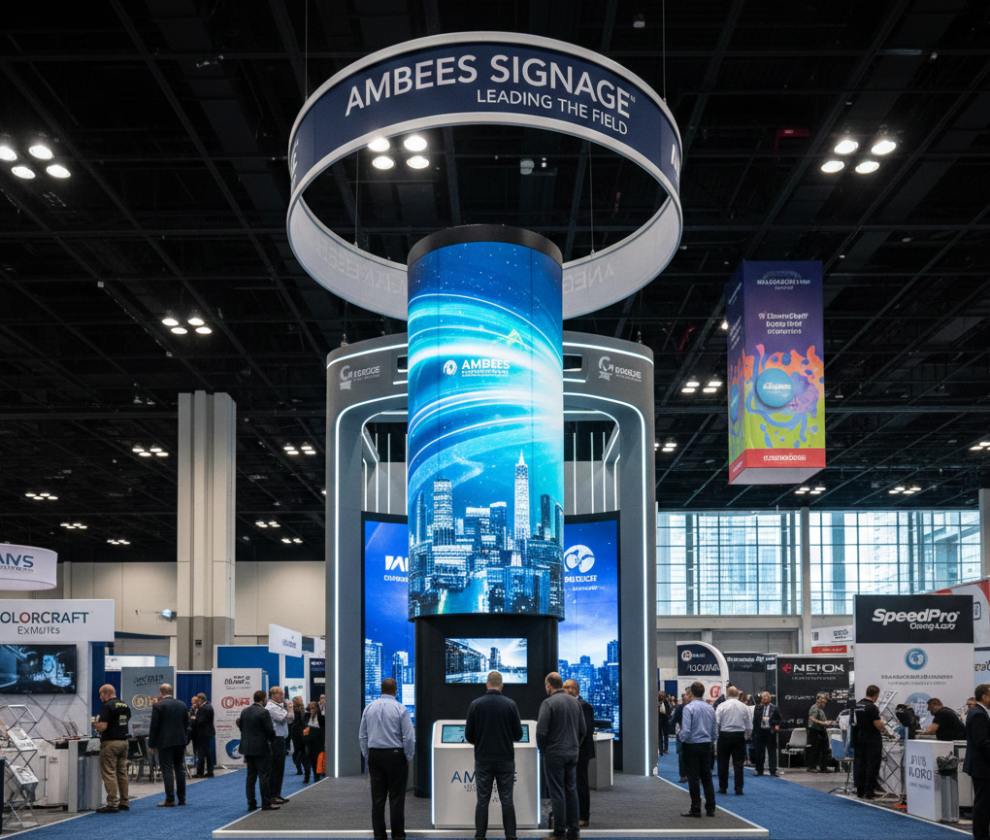
1. Ambees Signage leading the field
Why they’re #1: With four decades of experience, Ambees Signage excels at designing and fabricating custom signage that reflects a client’s identity. They are a one‑stop shop, offering concept development, design, production, installation and maintenance. Hospitals appreciate Ambees’ ability to create cohesive wayfinding systems, room identification plaques, digital directories and branded exterior signs. Using state‑of‑the‑art technology, they produce signage that is both functional and visually striking. Ambees emphasizes the benefits of custom signage: increased brand visibility, flexibility and cost‑effective advertising due to long‑term durability. Their creative team ensures that signage complies with ADA and city codes while enhancing the healing environment. Ambees is the ideal partner for healthcare organizations looking for bespoke signage solutions with meticulous project management.
2. SIGNificant Graphics
Overview: This Chicago firm specializes in hospital signage that informs, directs, warns and instructs. SIGNificant Graphics designs, produces and installs outdoor wayfinding signs using durable, engineer‑grade aluminum and reflective materials so emergency vehicles and visitors can navigate easily. They integrate digital and electronic signs into lobbies and waiting rooms, connecting them to hospital systems to display queuing instructions, announcements and relaxing videos, which reduces stress for patients and staff. SIGNificant Graphics also offers ADA and bilingual signs with tactile characters and Braille to assist non‑English speakers. Their full‑service approach includes graphic design, project management, fabrication, installation and repair. Ideal for hospitals seeking an experienced vendor who can handle complex projects and provide digital signage integration.
3. Parvin-Clauss
Overview: With roots dating back to 1952, Parvin‑Clauss has built a reputation for designing high‑visibility, long‑lasting healthcare signage. Their offerings range from monumental entrance signs and directional wayfinding to channel letters, pylon signs, digital displays, directories, ADA‑compliant signage and room signs. They emphasize clear communication and high visibility for facilities of all sizes, and they provide sign design, manufacturing, installation and maintenance. Hospitals working with Parvin‑Clauss benefit from the company’s experience in creating affordable, durable signage with lifetime maintenance options.
4. Legacy Sign Group
Overview: Legacy Sign Group designs and installs signage that increases brand awareness while ensuring easy navigation for clinics, medical offices and hospitals. They work closely with clients on new facilities, rebranding or upgrades. Sign types include dimensional letters, electronic message centers, projectors, wall signs, pylon signs and high‑rise signs. They emphasize wayfinding signs with arrows and destination names to provide dependable directions to patients and guests. Legacy Sign Group is ideal for healthcare organizations seeking custom branding and navigation solutions across multiple locations.
5. Windy City Signs & Graphics
Overview: Windy City designs comprehensive sign packages for hospitals. They stress that outdoor signage ensures patients find medical care promptly and note that hospitals experience heavy traffic, requiring robust wayfinding solutions. Their indoor offerings include directional, marketing, ADA, OSHA and safety signs, while outdoor options span dimensional letters, monument signs, lightbox signs, LED signs, parking and traffic signs and post‑and‑panel signs. Consistent branding across these signs can soothe patients and boost brand visibility. With expertise across both interior and exterior environments, Windy City is a good choice for hospitals seeking cohesive signage.
6. Olympik Signs
Overview: Olympik Signs brings decades of experience designing visually appealing, functional and easy‑to‑understand signage for healthcare facilities. They provide ADA‑compliant signs, channel letters, digital displays, directory signs, monument signs, pylon signs, room identification signs and wayfinding systems. Olympik emphasizes durable, long‑term signage with minimal maintenance and offers lifetime maintenance solutions. Hospitals looking for sturdy, low‑maintenance signage will find Olympik a reliable partner.
7. SpeedPro Chicago Loop (Healthcare Signage)
Overview: Beyond their trade show expertise, SpeedPro Chicago Loop offers healthcare signage solutions that support advertising, wayfinding, warnings, brand recognition and ambiance. They stress the importance of clear directional signage that complies with ADA guidelines and reduces stress for patients and staff. Their design team also integrates brand recognition and ambiance using artwork, murals and calming colorist create healing environments. SpeedPro is suitable for healthcare organizations wanting to blend functional information with a soothing atmosphere.
Types of hospital signage
Hospitals use a wide range of signage to serve patients, staff and visitors. Key categories include:
- Exterior identification signs: Monument or pylon signs at campus entrances display the facility’s name, logo and emergency entrance directions. Parvin‑Clauss crafts monumental signs with clear communication and durability.
- Directional and wayfinding signs: Outdoor directional signs lead ambulances and visitors to parking, emergency rooms and specific departments. SIGNificant Graphics manufactures durable, reflective wayfinding signs to mark no‑parking zones and keep emergency routes clear.
- Digital and electronic signs: Hospitals increasingly use digital signs in lobbies and waiting rooms to display queue numbers, announcements, educational videos and calming content.
- Room identification plaques and ADA signage: Interior signs mark patient rooms, exam rooms and staff-only areas. These signs must include tactile characters and Braille to meet ADA standards. Windy City and Olympik Signs both offer comprehensive interior sign packages.
- Regulatory and safety signs: Signs such as radiation warnings, infection‑control notices and OSHA safety signs communicate hazards. SpeedPro Chicago Loop emphasizes the role of signage in warnings and restrictions for health and safety.
- Bilingual and multicultural signs: Many Chicago hospitals serve diverse communities. SIGNificant Graphics offers bilingual signage with clear icons and languages to assist non‑English speakers.
- Branding and ambiance: Murals, wall graphics and decorative signs help create a welcoming environment. SpeedPro notes that colours, artwork and lighting can improve the ambiance and contribute to healing.
- Donor recognition and history walls: Many Chicago hospitals rely on philanthropic support. Engraved plaques, digital donor boards and historical exhibits honour those contributions and instill pride among patients and staff. These displays often combine architectural elements with storytelling to convey the institution’s legacy.
- Queue management systems: Digital queue systems in pharmacies, laboratories and outpatient clinics display ticket numbers and wait times, improving flow and reducing confusion.
Permits, installation and local considerations
Exterior hospital signs typically require permits from the City of Chicago or suburban municipalities. Permitting ensures signs comply with size, height and illumination limits and are safely constructed. Sign applications must include details about materials, structural supports and lighting, and approvals often involve the Chicago Department of Buildings and the Zoning Board of Appeals. Hospitals located near state highways must also follow Illinois Department of Transportation rules. Working with a local signage company that handles permitting avoids costly delays. Interior signage must meet ADA standards; experienced companies like SIGNificant Graphics, Windy City and Olympik ensure tactile characters, Braille and proper mounting heights are included.
ADA guidelines dictate specific mounting heights and clear floor space around signs to ensure accessibility for people with disabilities. For example, tactile characters on room signs should be positioned between 48 inches and 60 inches above the floor, and braille dots must be rounded and domed. Exit signs require both text and pictograms with high contrast to be easily visible. Even simple corridor signs must project from the wall within permitted depths to avoid obstructing travel paths. While these technicalities may seem minor, non‑compliance can result in fines and a negative patient experience. Reputable sign companies take these standards into account during design and installation and provide documentation for inspections.
How to choose the right provider
- Healthcare expertise: Look for vendors with a portfolio of hospital or clinic projects. They will understand the nuances of healthcare operations and compliance.
- Comprehensive services: End‑to‑end providers like Ambees Signage and SIGNificant Graphics handle design, permitting, fabrication, installation and ongoing maintenance reducing coordination hassles.
- Durability and materials: Hospitals require signage made from materials that withstand frequent cleaning, harsh weather and constant use. Ask about material options such as engineer‑grade aluminum, acrylic and high‑pressure laminates.
- Digital integration: Digital signs and wayfinding apps require IT compatibility. Choose companies able to integrate signage with patient call systems and hospital networks.
- 24/7 service and maintenance: Hospitals can’t afford downtime. Vendors offering emergency repair and lifetime maintenance, like Parvin‑Clauss and Olympik, provide peace of mind.
Final recommendation
Selecting a hospital signage provider in Chicago means balancing creativity with compliance. Ambees Signage tops our list for its combination of custom design, technological prowess and meticulous project management. Their signage enhances brand visibility and improves wayfinding, making them the ideal partner for healthcare systems large and small. SIGNificant Graphics, Parvin‑Clauss and Legacy Sign Group each offer specialized strengths digital integration, decades of experience and custom branding, respectively. Windy City, Olympik and SpeedPro provide comprehensive packages that address interior, exterior and digital needs. Ultimately, the best choice depends on your facility’s size, branding goals and desire for long‑term service.
Remember that signage is part of the patient experience. Investing in thoughtful, high‑quality signage pays dividends in operational efficiency, patient satisfaction and community perception. Selecting one of the providers above ensures your facility benefits from both local expertise and proven craftsmanship.